South Asian Institute for
Peace and Reconciliation
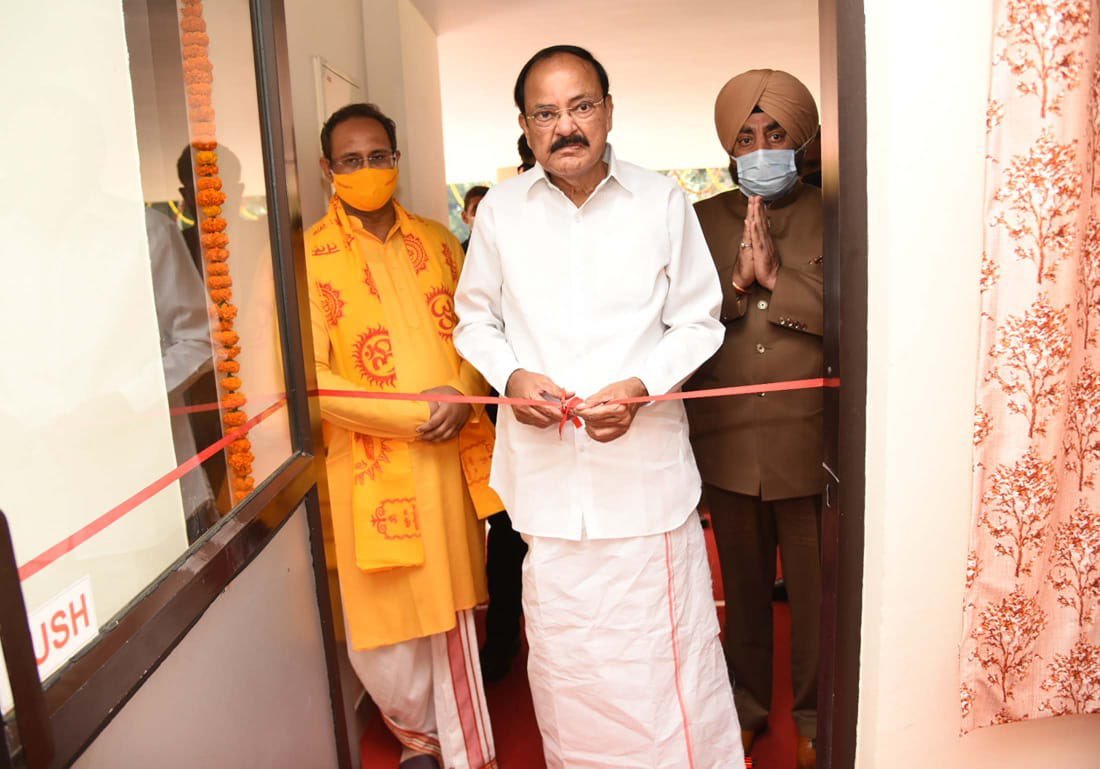
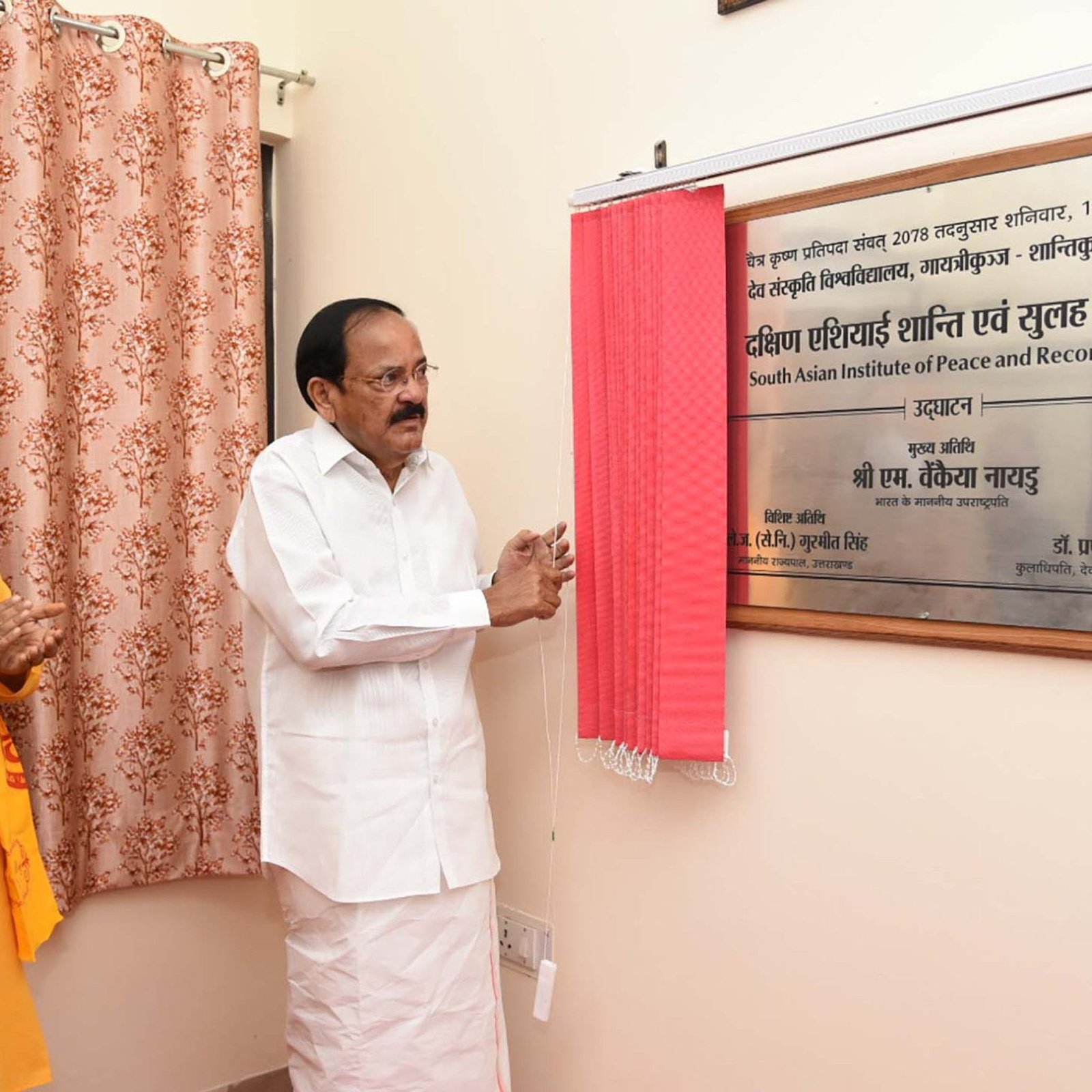
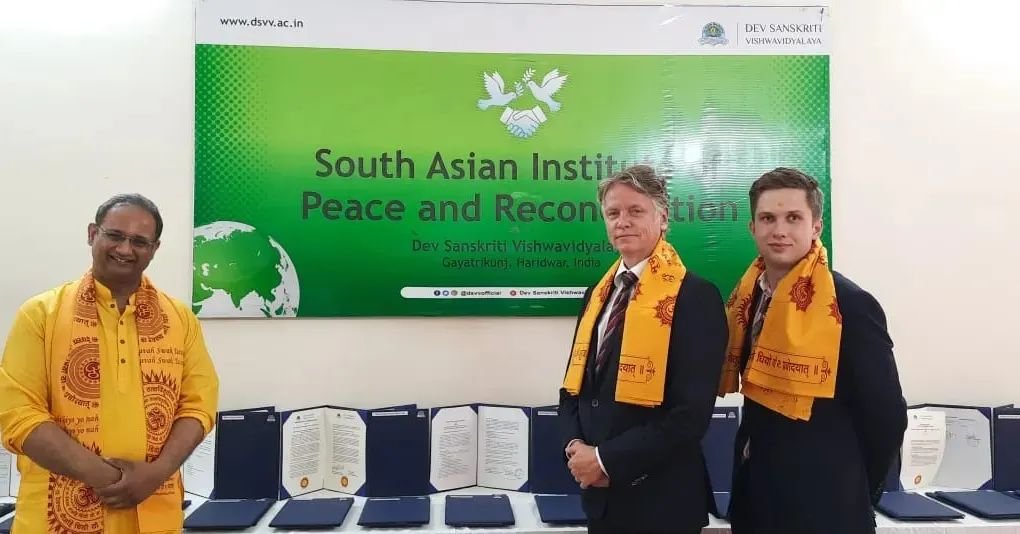
Inaugurated by the Hon’ble Vice President of India (2022)
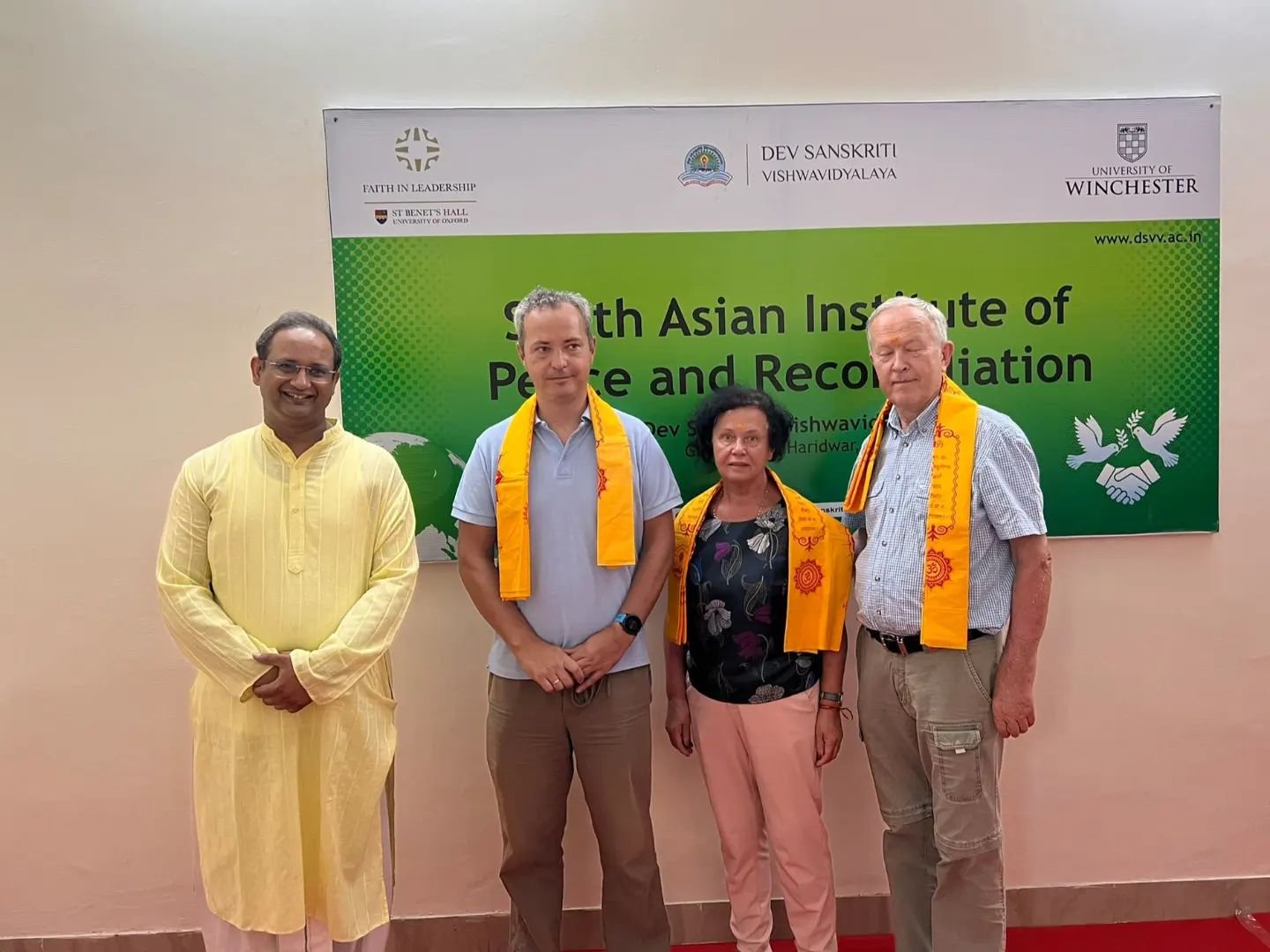
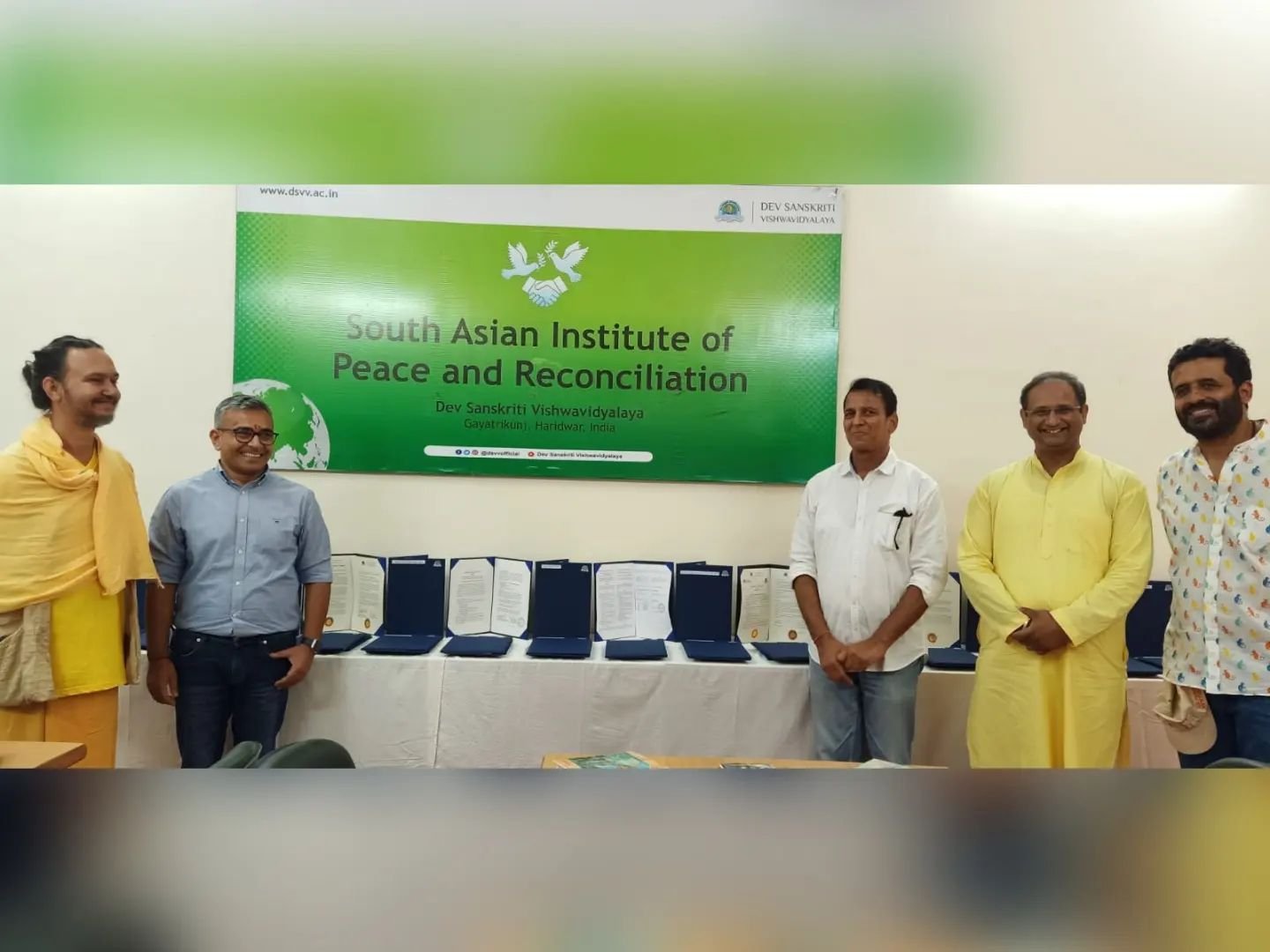
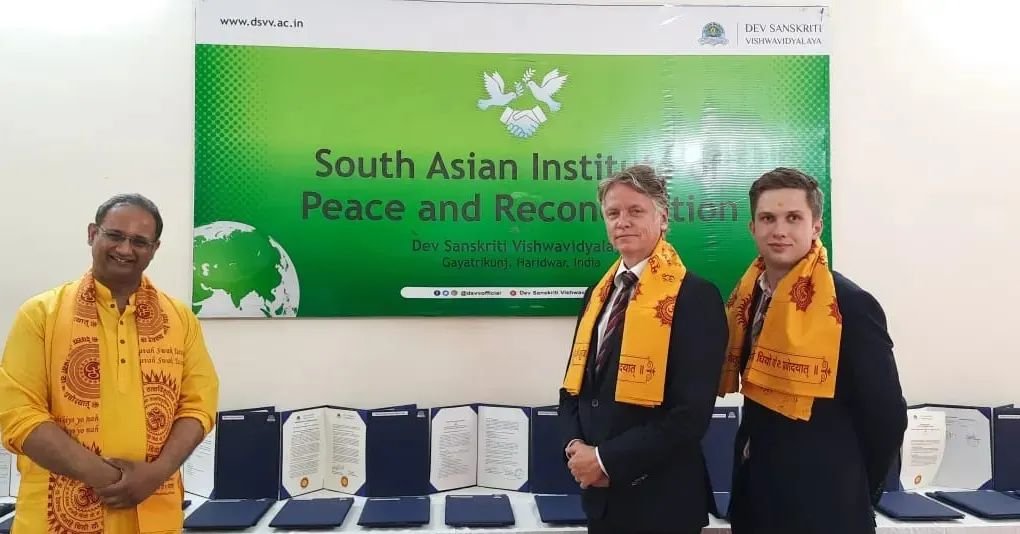
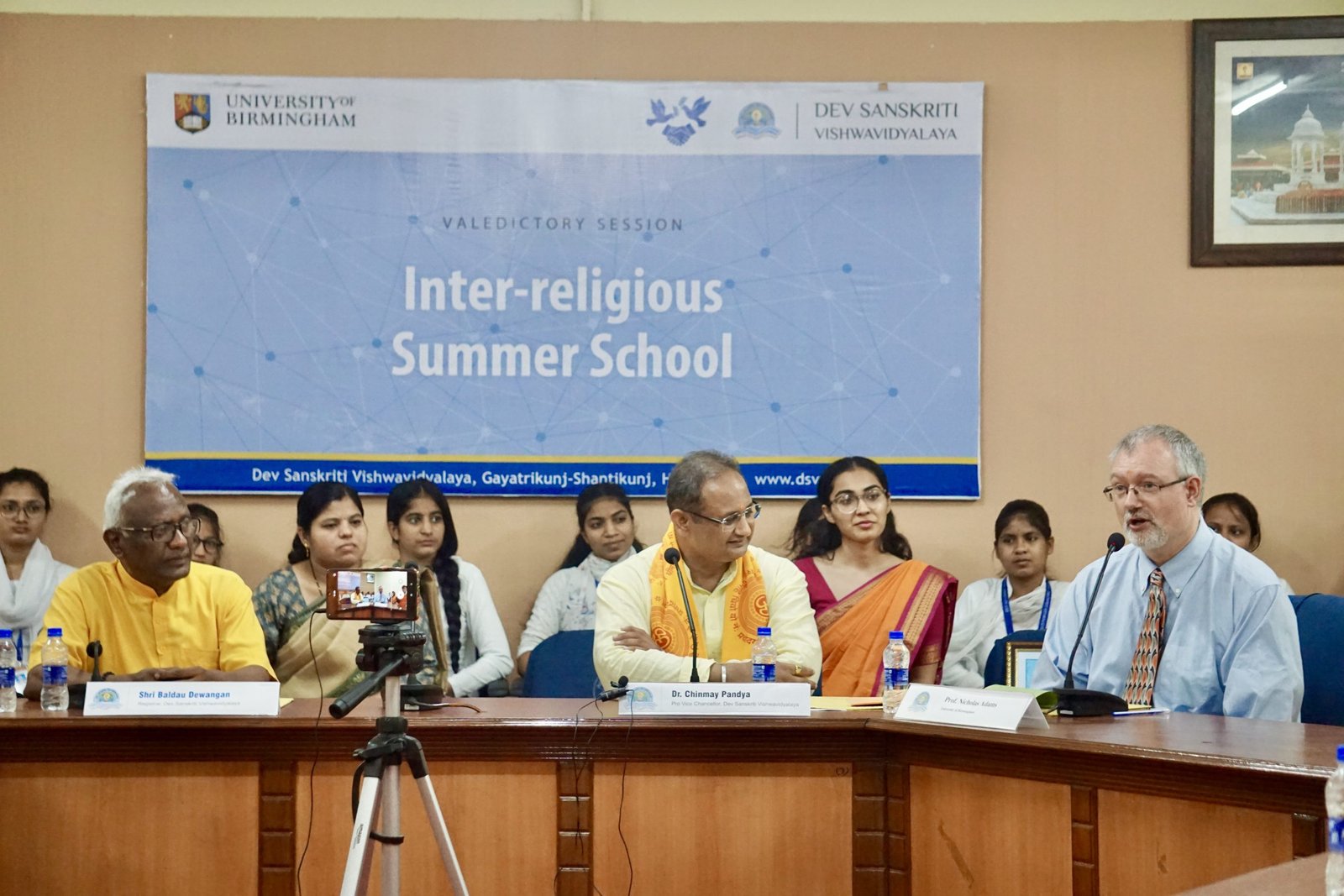
A unique collaboration with the University of Winchester (UK), SAIPR explores the role of religion and Asian wisdom in conflict resolution and peacebuilding.
Core Activities: Trauma healing workshops, interfaith dialogue, and restorative justice programs.
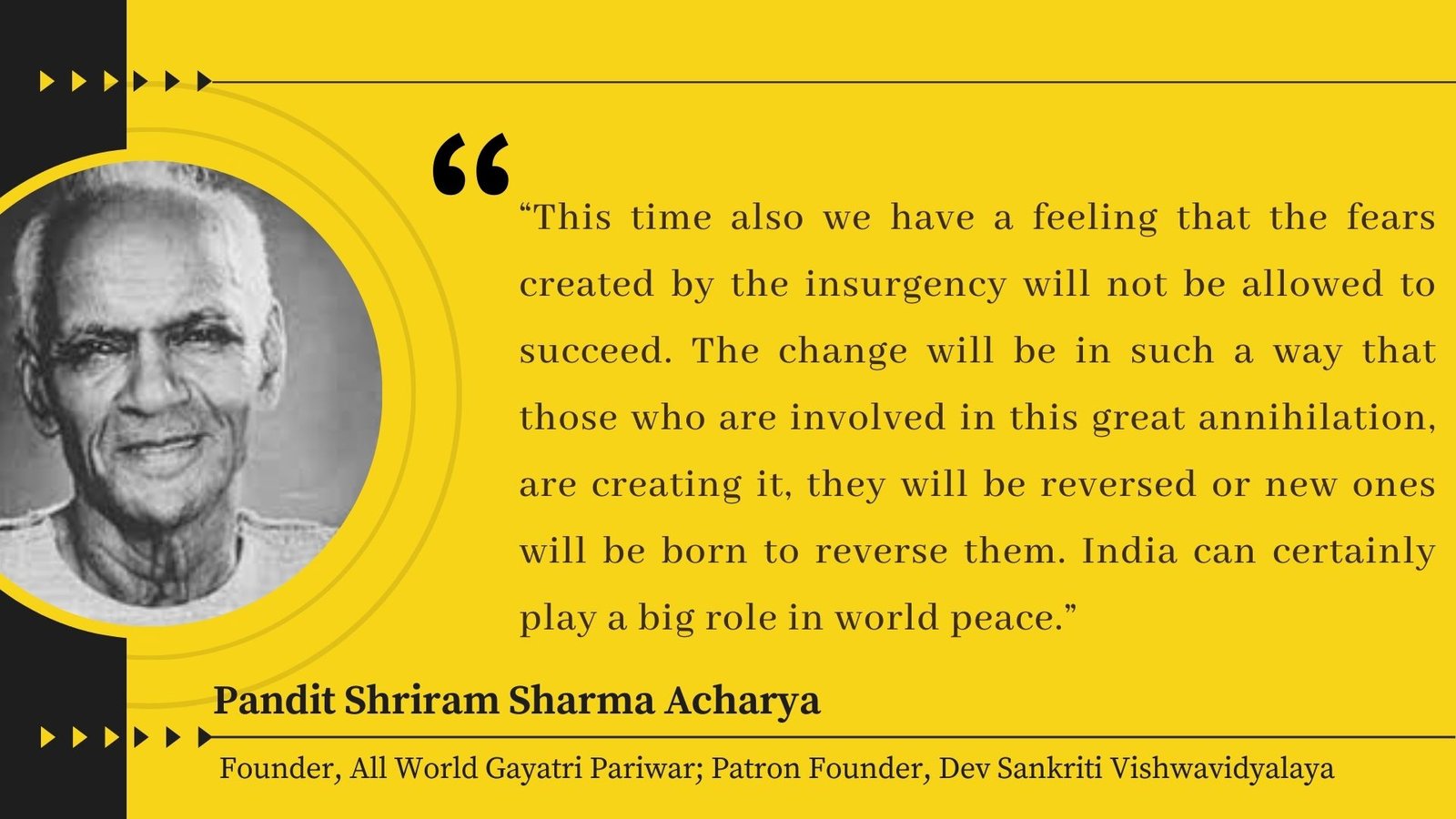
Philosophy: Grounded in the vision—"If we change, the world will change."
Vision
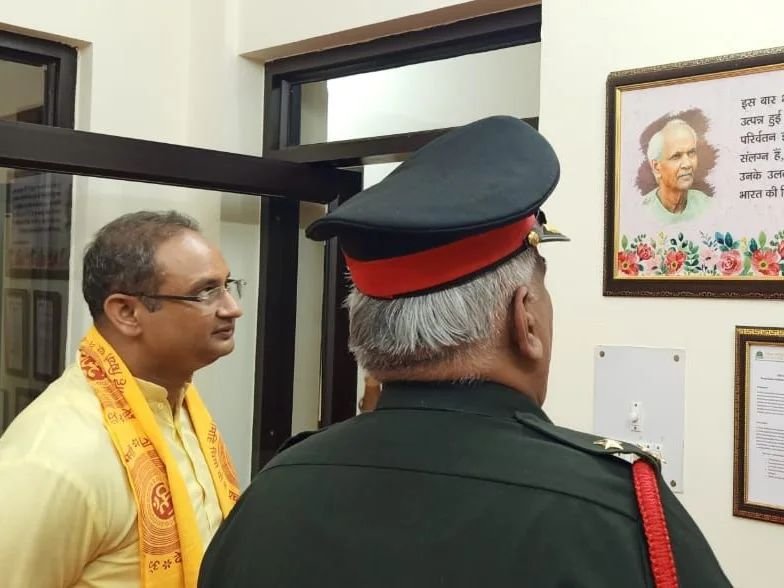
The Institute has been set up on the lines of collaboration of Dev Sanskriti Vishwavidyalaya with the University of Winchester,U.K. which aims for developing research in religion, peace building and reconciliation. This institute is a much-needed addition to global Peace Studies, scholarship and practice. It will provide practical training on religious peacebuilding, conflict analysis, and interfaith dialogue. In a ceremony held after the inauguration, Mr.Naidu said, “It is my privilege to inaugurate the ‘South Asian Institute of Peace and Reconciliation’ dedicated to the service of humanity.” He also praised the university for its impactful worldwide efforts in the fields of Yoga, Yagya and scientific spirituality. Further Honourable Governor said, “It is my strong belief that this institution will work for peace, harmony and love in the world.” After Dev Sanskriti Vishwavidyalaya, the visit continued to the Gayatri Teerth Shantikunj where dignitaries paid obeisance to Pt. Shriram Acharya Ji and Mata Bhagwati Devi Sharma Ji. He tweeted that he was inspired by his lines – “If we change, the world will change”, and “If we form ourselves, the world will be reformed.”
Objective
The Centre would engage in:
- World class research in religion, peace building and reconciliation.
- Research informed Post Graduate teaching and supervision initially, leading to Undergraduate provision as the Centre and resources develop.
- Practical training on religious peace building, conflict analysis, and interfaith dialogue.
- Policy briefings and a consultancy dimension.
Testimonial
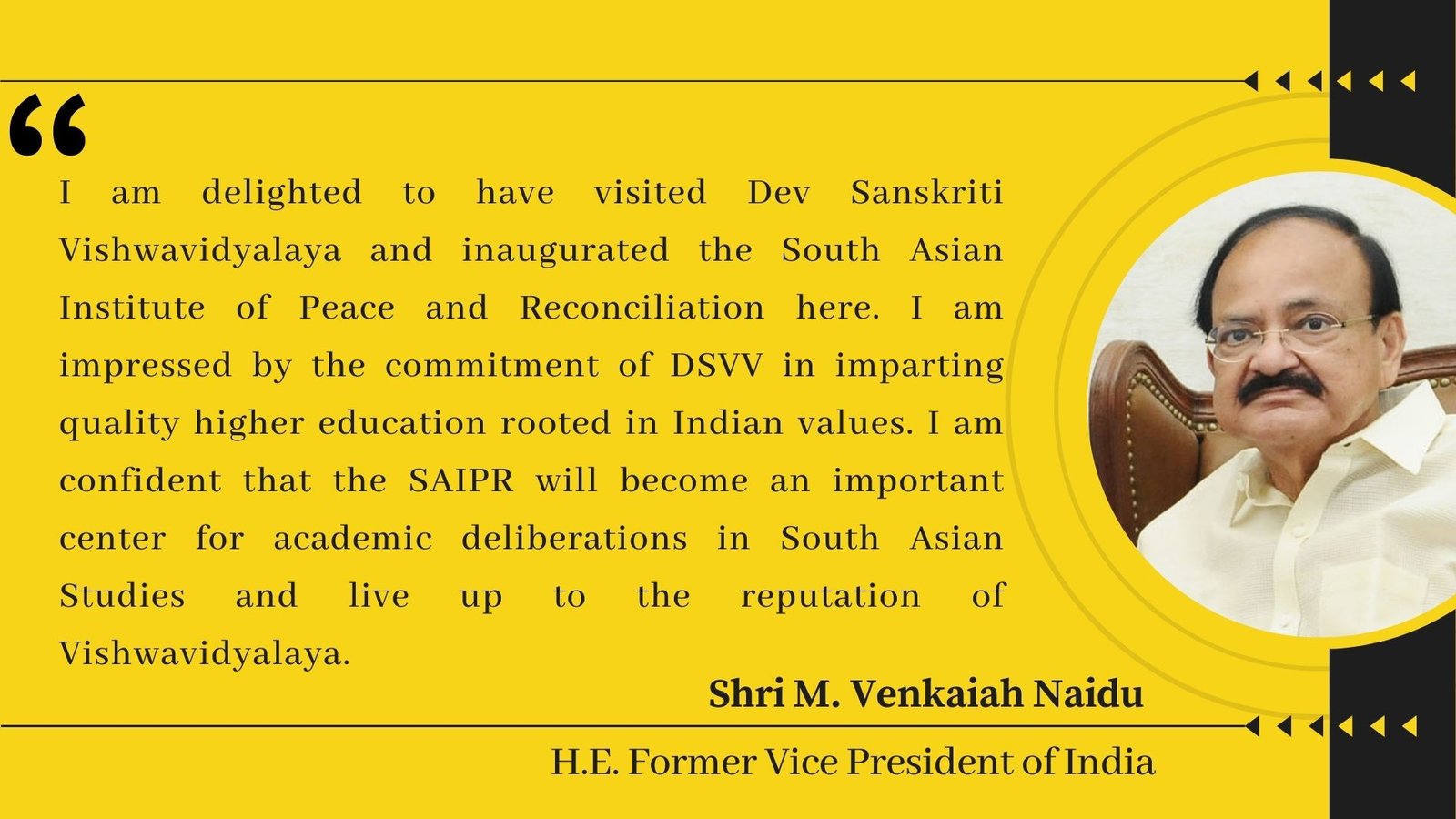
SAIPR
ACTIVITIES
The activities proposed under the South Asian Institute of Peace and Reconciliation are as follows:
01
Activity
Dialogue Sessions
Organize structured dialogue sessions that bring together individuals from opposing sides of a conflict. Facilitators can help guide discussions where participants share their experiences, grievances, and aspirations, leading to a better understanding of each other’s perspectives.
02
Activity
Mediation and Conflict Resolution
Offer mediation services to help parties in conflict find common ground and mutually agreeable solutions. Trained mediators can facilitate negotiations, enabling conflicting parties to reach settlements that address their concerns.
03
Activity
Trauma Healing Workshops
Conduct workshops and counseling sessions to address the psychological and emotional wounds resulting from conflict. These workshops can provide tools for coping with trauma and promote healing and resilience.
04
Activity
Historical and Cultural Understanding
Develop educational programs that into the history and culture of the conflicted region. Understanding the roots of the conflict and the historical context can help foster empathy and a more nuanced perspective.
05
Activity
Arts and Expression
Use artistic activities such as music, visual arts, theater, and storytelling as a medium for people to express their feelings, promote empathy, and connect on a deeper level.
06
Activity
Skills Training and Economic Empowerment
Provide training programs that equip individuals with marketable skills. Empowering people economically can contribute to stability and a sense of purpose, reducing the likelihood of future conflicts.
07
Activity
Youth Engagement Programs
Engage young people in the peace-building process by offering mentorship, leadership development, and opportunities for them to voice their perspectives on conflict resolution and community development.
08
Activity
Cross-Cultural Exchanges
Arrange exchanges and interactions between communities that have historically been in conflict. These exchanges can promote cross-cultural understanding, break down stereotypes, and build personal connections.
09
Activity
Community Building Workshops
Organize workshops that focus on building trust and cooperation within communities. These workshops can emphasize shared goals, values, and interests to strengthen social cohesion.
10
Activity
Restorative Justice Programs
Implement restorative justice practices that emphasize repairing harm caused by conflicts rather than punitive measures. This can involve victims, offenders, and the community in a collaborative process of healing and resolution.
11
Activity
Conflict Prevention Workshops
Offer workshops that teach conflict prevention skills, communication techniques, and early warning signs of potential conflicts to address issues before they escalate.
12
Activity
Advocacy and Policy Development
Engage with policymakers and advocate for policies that promote inclusivity, justice, and peace. Collaborate with local and national governments to implement sustainable peacebuilding strategies.
13
Activity
Interfaith and Inter-ethnic Dialogue
Facilitate conversations among different religious and ethnic groups to bridge divides and promote interfaith understanding.
14
Activity
Research and Documentation
Conduct research to better understand the root causes of conflicts and effective reconciliation strategies. Document success stories and lessons learned to contribute to a growing body of knowledge in the field.
15
Activity
Community Projects
Collaborate on community-based projects that benefit all parties involved. Common projects, such as infrastructure development or environmental conservation, can foster cooperation and a sense of shared purpose.